|
||||||



 |
|||||||||||||||||||||||||
 |
 |
||||||||||||||||||||||||
 |
 |
||||||||||||||||||||||||
 |
 |
||||||||||||||||||||||||
 |
 |
||||||||||||||||||||||||
 |
 |
||||||||||||||||||||||||
 |
|||||||||||||||||||||||||
|
|||||||||||||||||||||||||


|
|
|
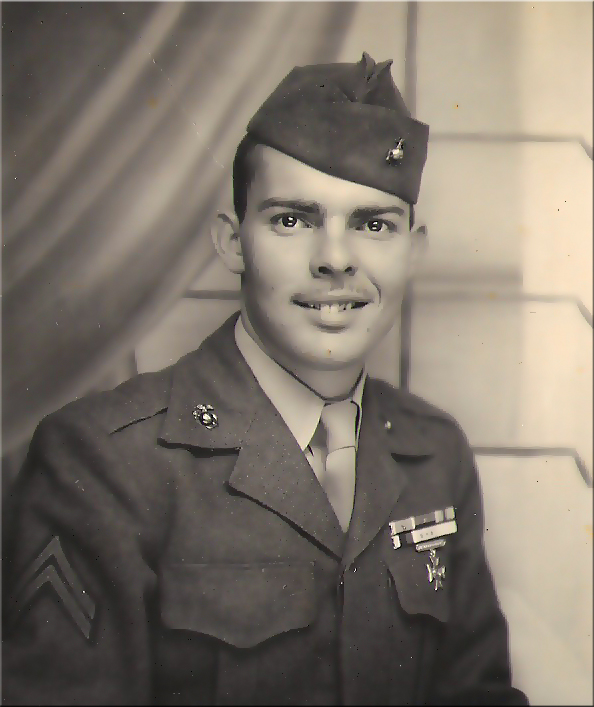
Alexis Joseph Davidson
1932 - 2001

One of the Chosin Few
Cpl. A. J. "Tex" Davidson
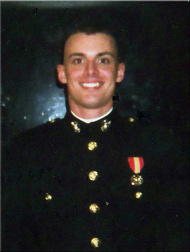
2nd Lt. Jayson Davidson
A/1/7 1st Marine Division
Wounded in Action
8 March 1951
Operation Ripper
Purple Heart
Presidential Unit Citation w/1*
Korean Service Medal w/1*

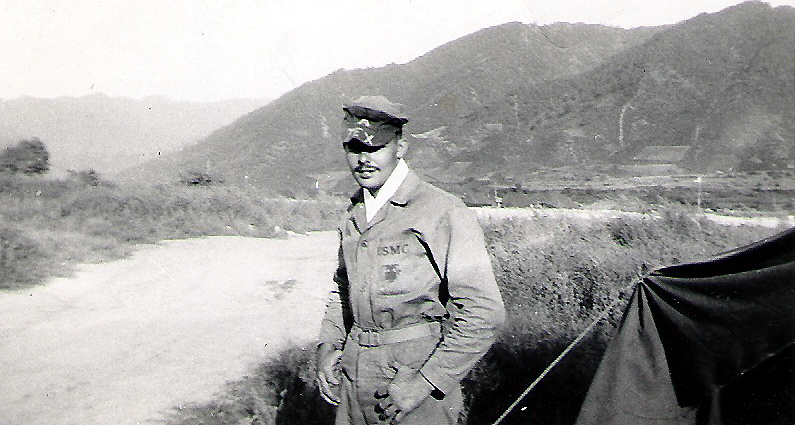
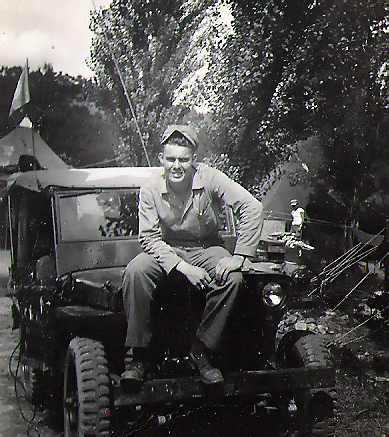
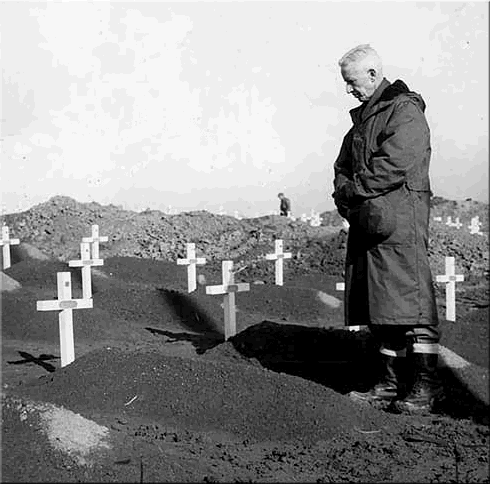
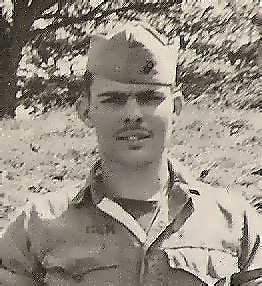
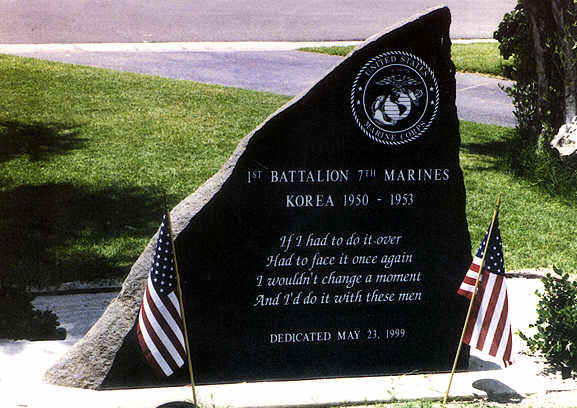
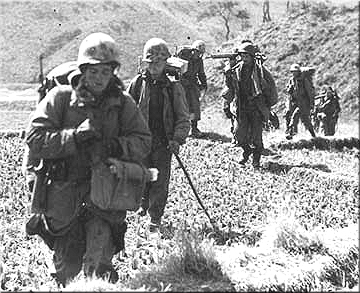
My grandfather, Alexis Joseph Davidson, was called to active duty from the USMC Reserves in August, 1950 - soon after North Korea's crushing surprise invasion in June.
The Truman administration had seen to the gutting of the Marine Corps following WWII. Only six infantry battalions could be fielded at the time. "I predict that large-scale amphibious operations will never occur again."
General Omar N. Bradley, Chairman of the Joint Chiefs of Staff, October 1949Inchon
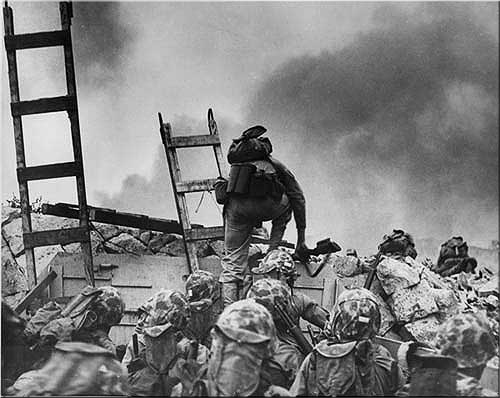
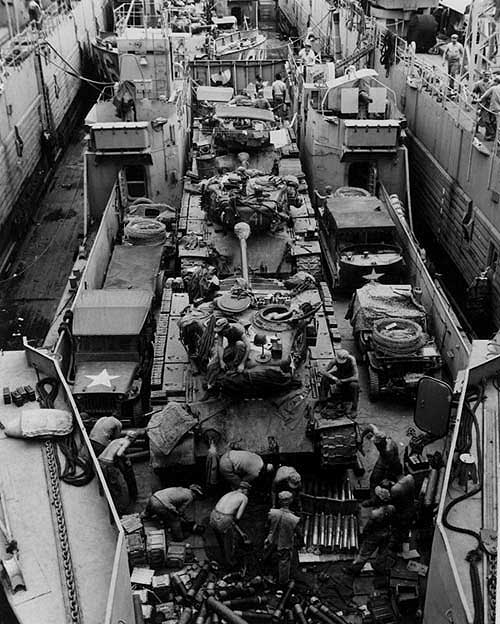
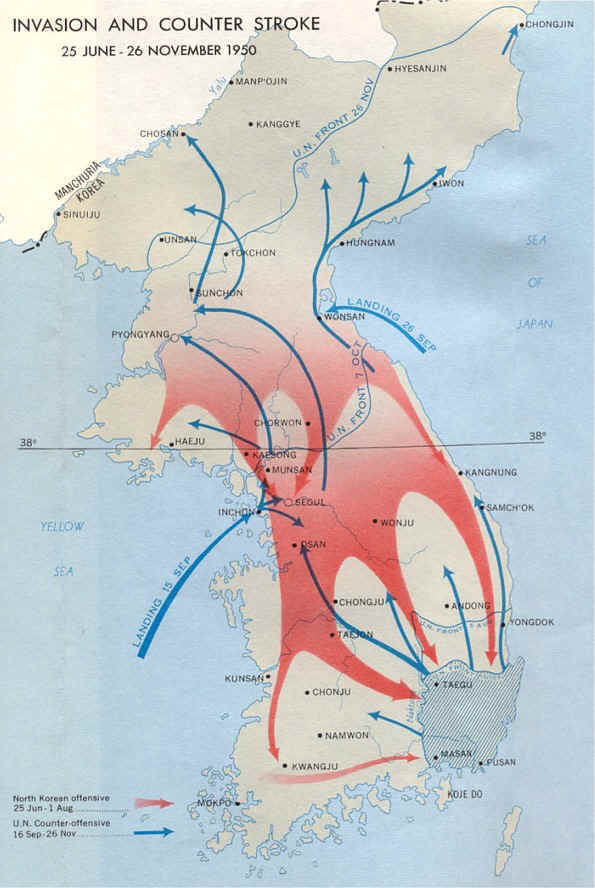
But within a month of going on active duty, my grandfather was landing at Inchon, part of one of the most daring and brilliant military moves in history. By September 27th, Seoul had been recaptured.
A.J. Davidson
Inchon Make ReadyWonsan
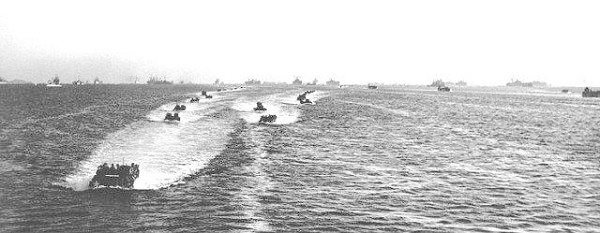
Within about a month of landing at Inchon, the 1st Marine Division was landing again - at Wonsan, after circling the beach for two weeks while the Navy cleared 3,000 mines from the harbor. They jokingly called it "Operation Yo-Yo".
Wonsan landing - 10/26/50
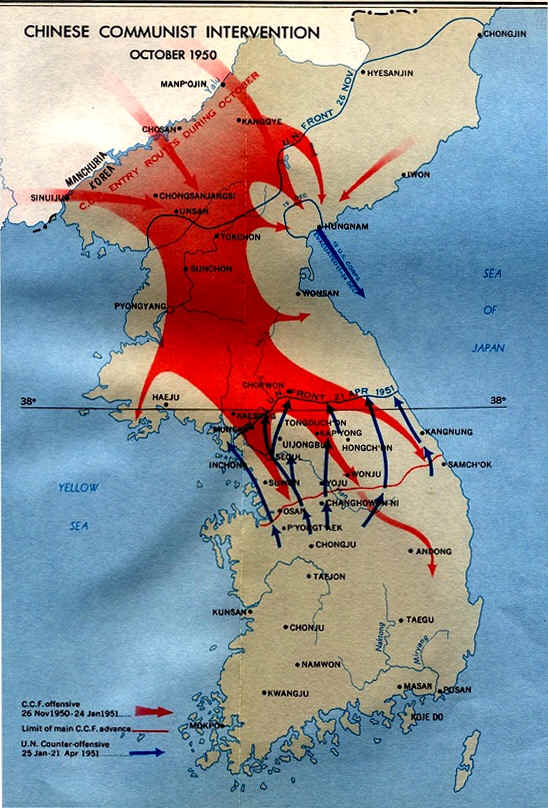
Then the Chinese entered the war.
Sudong gorge
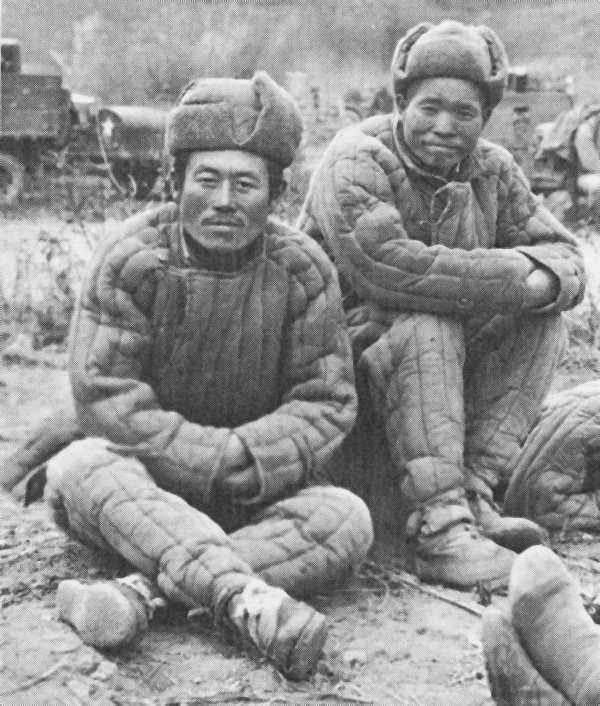
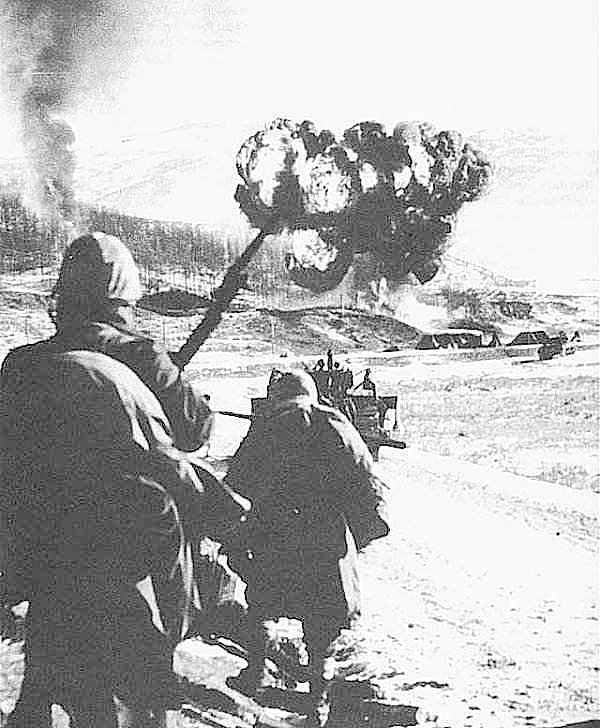
The Chinese Communist forces overwhelmed and destroyed most of their opposition. The 7th Marines were the sole exception, the first to face off against the Chinese divisions. They provided the UN's only victory at Sudong Gorge, near Wonsan, as the Chinese advanced.About midnight on November 3rd, as they relieved the retreating ROK 26th Regiment, the Seventh was attacked in a massive frontal assault. Whistles, horns and bugles sounded the initial and continuing charges.
Over the next four days of combat, Chinese casualties were estimated at nearly 9,000. The Chinese 124th Division was effectively destroyed. From that time forward, the Chinese goal was to annihilate the 1st Marine Division.
That is why the seven or so Chinese divisions largely ignored the weaker UN forces and focused on the 5th and 7th Marine Regiments, surrounding them at Yudam-ni.
Yudam-ni
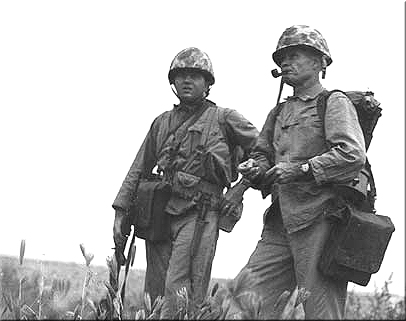
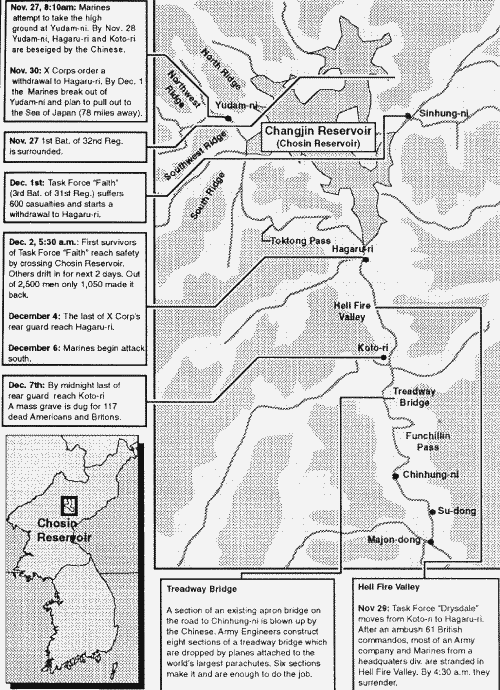
As Colonel Lewis B. “Chesty” Puller aptly stated, "We’ve been looking for the enemy for several days now. We finally found them. We’re surrounded. That simplifies our problem of finding these people and killing them.”General O. P. Smith ordered the 5th and 7th to move to Hagaru-ri. Colonel Homer L. Litzenburg Jr., commanding the 7th Regiment, sent Fox 2/7 to hold take and hold the crucial high ground at Toktong Pass.
A.J. Looking Tough
Yudam-ni
"Col. "Chesty" Puller
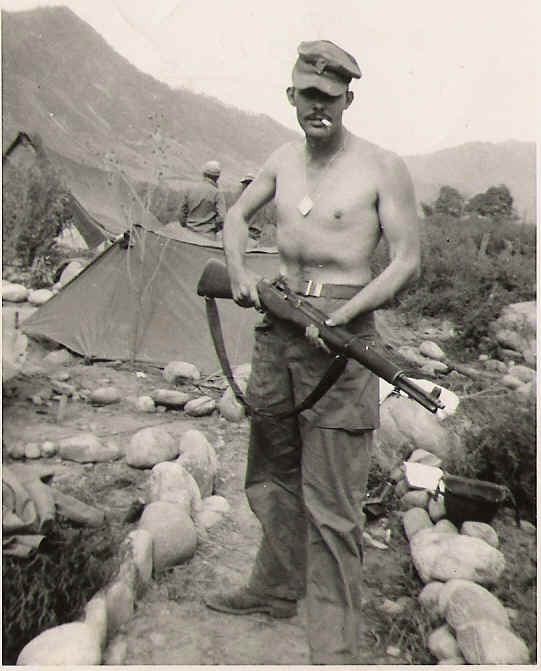
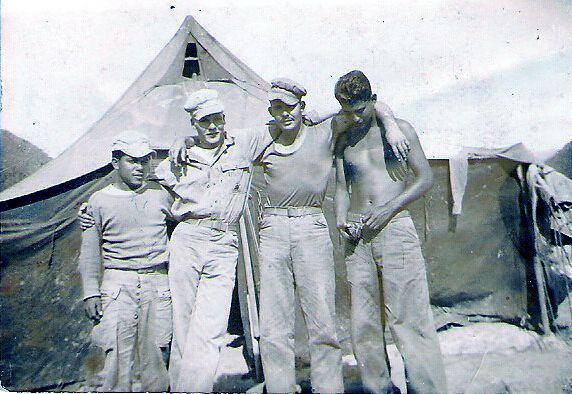
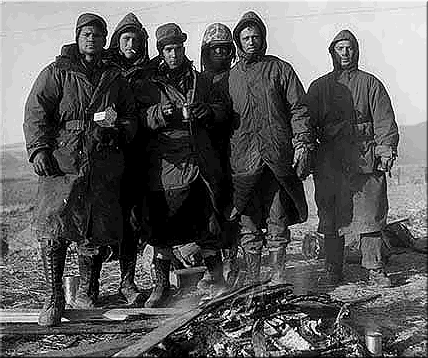
Tex and buddies
Col. "Chesty" Puller
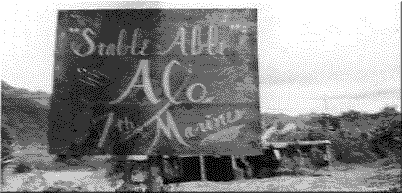
When the 5th and 7th began their fight out of Yudam-ni, Marine Lt. Col. Raymond G. Davis’ 1st Battalion, 7th Marines (my grandfather's unit) was given the mission of relieving Fox 2/7 at Toktong Pass.The first unit out of Yudam-ni was 1/7. They traveled at night, making it to the pass over the rough, steep terrain in the sub-zero darkness.
They found Fox 2/7 had held their position through five days of constant attacks. Out of 200 men, 26 had been killed, 89 wounded, and there were three missing.
Hagaru-ri
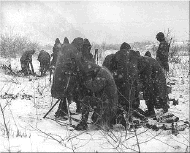
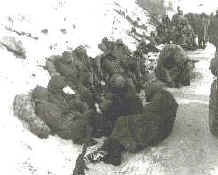
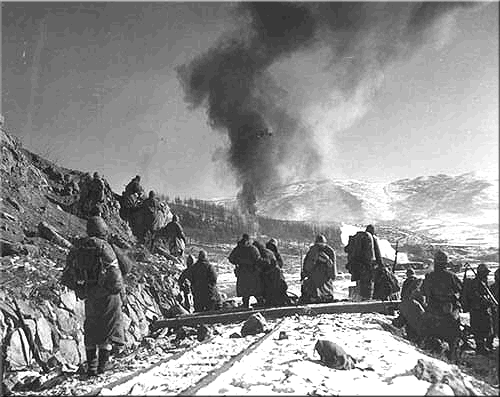
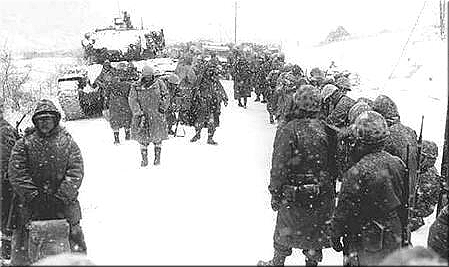
With as many as seven Chinese divisions surrounding them, the 5th and 7th fought their way to Hagaru-ri. It took them 79 hours to travel 14 miles carrying the wounded and most of their equipment. On December 3, they entered the Hagaru-ri perimeter.The breakout from Hagaru-ri began on December 6, with the 7th Marines on point. My grandfather's unit, 1st Battalion, was deployed forward from Chinhung-ni toward Koto-ri to seize the high ground on the convoy's route of march.
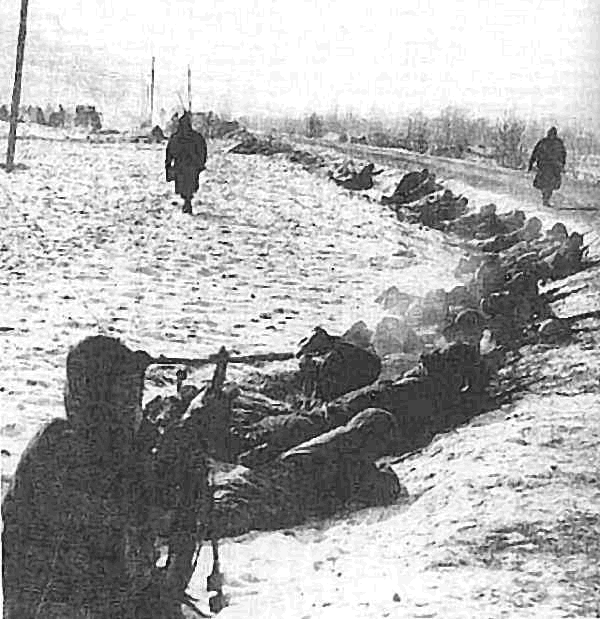
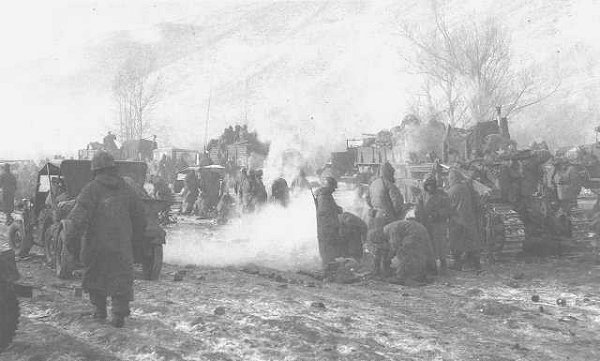
During a blinding snowstorm they ran into strong Chinese opposition and dealt the Chinese heavy losses in savage close quarters battle.To expose the column further, the Chinese had destroyed a bridge which spanned a gorge on the only route to Koto-ri.
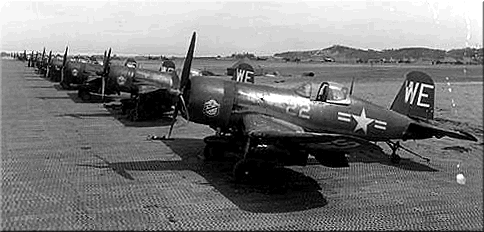
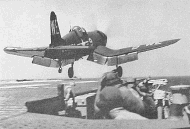
Improving weather on the morning of December 9th allowed Marine Corsairs to support the 1st Battalion in taking the objective.
Seventh Marines at Hagaru-ri
Corsair launches from USS Sicily
Close Air SupportMarine Corps engineers installed an airdropped bridge in just three hours, allowing the column to move forward again to Koto-ri. That was a nine-mile 38-hour fight.
The first elements of the 7th Marines arrived at Hungnam on the morning of December 10. The last elements of the division did not arrive until the afternoon of the next day.
The Marines had brought out their dead and wounded, and most of their equipment. But the breakout and march had cost the 1st Marine Division over 700 lives and 3,500 combat casualties. Chinese dead were estimated at 25,000.
Marine Major General O. P. Smith said "These men were delivered through their own efforts. They came out as a fighting division, not as survivors."
EPILOGUE
The war never really ended.There exists only an ever more precarious truce.
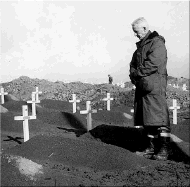
Almost 37,000 Americans died in theater. The 1st Marine Division alone suffered over 25,000 casualties in Korea.
Korea set the stage for Vietnam as the first police (political) action (war).
My grandfather always believed
we would have to go back
one
day.
Korean War Battle Flag Streamer
Presidential Unit Citation Battle Flag Streamer
© 2009 Davidson Consulting - Questions or comments to admin@jaysondavidson.com